Two paths, same game: bonus spins or straight cash?
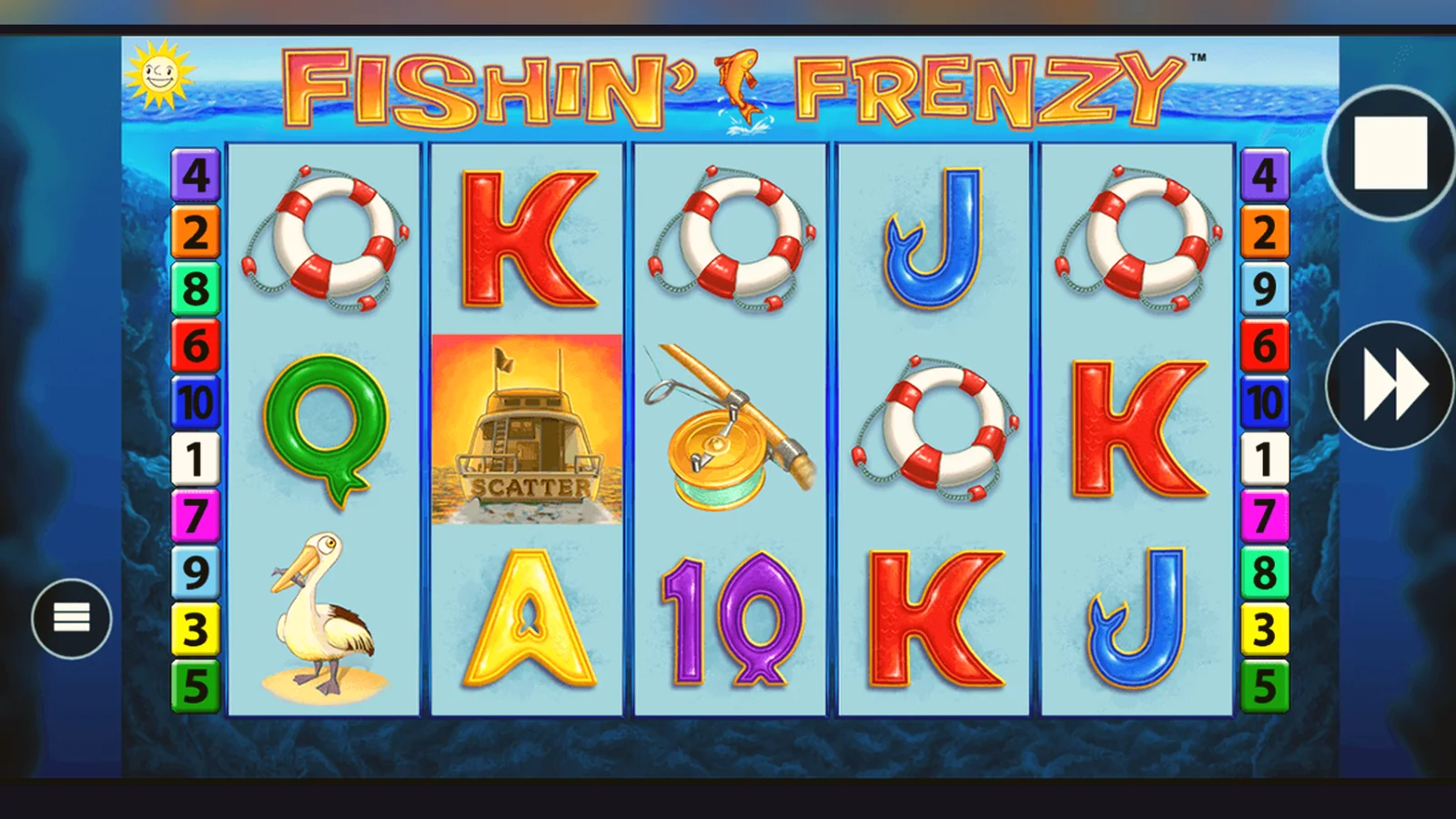
You deposit £20.00, claim 50 free spins, land £8.00 from them, then spend two hours clearing a £280.00 wagering target—only to find the withdrawal capped at £50.00. Or you take a straight 100 per cent match, turn £20.00 into £40.00, wager it once at £0.20 a spin, and cash out £65.00 in half the time. Same game, same starting stake, radically different outcomes.
Fishin' Frenzy sits in every UKGC operator's lobby, so you will see it attached to welcome packages, reload bonuses, and midweek free-spin drops. The question is not whether a bonus exists—it is which format survives contact with a 96.12 per cent RTP, medium-high volatility, and your own patience. This page walks through the types you will meet, shows ten example offers pulled from real UK sites, explains the arithmetic behind wagering multiples, and names the single clause in each structure that hurts most when you ignore it.
The formats you will see, and what they mean in the first ten minutes
Deposit bonuses add a percentage of your deposit as bonus credit; 100 per cent on £20.00 gives you £40.00 to play with. Free spins—sometimes called bonus spins—credit a fixed number of rounds at a preset stake, often £0.10 or £0.20 per spin. Cashback returns a slice of net losses over a period, usually 10 to 20 per cent, either as cash or bonus funds. No-wager bonuses skip the playthrough but cap winnings tightly. Reload and loyalty offers mirror the welcome structure but arrive weekly or when you hit a tier.
In your first ten minutes, a deposit bonus feels largest because the balance reads high. Free spins feel slower—you watch ten or fifty automated rounds tick past, often at a stake lower than you would choose. Cashback does nothing immediately; it settles the next day. No-wager spins finish fast, but the £50.00 or £100.00 cap hits before you realise you were in profit.
Fishin' Frenzy's volatility means dry spells: twenty spins with no fish, then three appear at once and miss every line. A deposit bonus gives you enough padding to ride out that variance. Free spins at £0.10 each do not, unless the count is high and the base-game hit rate cooperates.
Ten example offers: what the table does not tell you
The table below lists real-world offers seen on UKGC-licensed sites between October 2025 and January 2026. Brands, amounts, wagering multiples, and caps are accurate as of the profile date; operators change terms monthly, so check the footer for the UKGC register number and read the current bonus policy before you deposit. Every figure is in pounds, because credit cards have been banned for gambling since 2020 and you will fund the account with a UK debit card, PayPal, or Open Banking.
| Brand (example) | Type | Amount / spins | Min deposit | Wagering | Max win | Stake cap | |
|---|---|---|---|---|---|---|---|
| Site A | Deposit match | 100% up to £100 | £10.00 | 35× (B+D) | £500 | £5.00 | → |
| Site B | Free spins | 50 spins at £0.10 | £10.00 | 65× winnings | £50.00 | N/A | → |
| Site C | Deposit + spins | 100% + 25 spins | £20.00 | 40× bonus | £250 | £5.00 | → |
| Site D | No-wager spins | 20 spins at £0.20 | £10.00 | 0× | £100 | N/A | → |
| Site E | Reload | 50% up to £50 | £20.00 | 40× bonus | £200 | £5.00 | → |
| Site F | Cashback | 10% weekly losses | N/A | 1× (bonus credit) | None | £5.00 | → |
| Site G | Free spins | 100 spins at £0.10 | £25.00 | 50× winnings | £50.00 | N/A | → |
| Site H | Deposit match | 200% up to £50 | £10.00 | 50× bonus | £100 | £5.00 | → |
| Site I | Loyalty spins | 30 spins at £0.20 | N/A | 35× winnings | £150 | N/A | → |
| Site J | No-wager match | 50% up to £25 | £50.00 | 0× | £100 | £5.00 | → |
The widest variation sits in the wagering column. «35× (B+D)» means you multiply bonus and deposit together—£10.00 deposit plus £10.00 bonus at 35× equals £700.00 turnover. «65× winnings» applies only to what the free spins paid; if 50 spins return £6.00, you wager £390.00. «1× bonus credit» for cashback is trivial, but cashback itself requires net losses, so you are already down before the refund arrives.
Wagering arithmetic: why the first hour feels long
You claim a 100 per cent match on £20.00, receive £40.00 total, and the terms say «40× bonus only». The target is £20.00 × 40 = £800.00 turnover. At £0.40 per spin—a common middle stake on Fishin' Frenzy—that is 2,000 spins. At fifteen spins per minute (accounting for reel stops and the occasional base-game fish appearance), you need 133 minutes of continuous play.
Now suppose you take 50 free spins at £0.10 each, win £7.50, and face «60× winnings». The target is £7.50 × 60 = £450.00. If you continue at £0.40 per spin, you need 1,125 spins, or 75 minutes. Smaller win, shorter target, but still over an hour of button presses.
Medium-high volatility adds another layer: a fifty-spin losing streak is not unusual, and if you are wagering bonus funds, each losing spin still counts toward turnover but shrinks your balance. You might clear £300.00 of the £800.00 target, hit a dry patch, and watch the bonus balance fall to £4.00 before a single free-game trigger rescues it. That rescue feels good, but the clock and spin count do not lie—the first hour is a grind.
- Check whether wagering is «bonus only», «bonus plus deposit», or «winnings only»—the multiplier stays the same, but the base changes everything.
- Calculate spins required: divide the turnover target by your intended stake per spin.
- Add 20 per cent to that spin count to account for volatility dips; the RTP is theoretical over millions of spins, not your single session.
- Compare the max-win cap to your target profit—if the cap is £50.00 and you are chasing £100.00, the structure is already broken.
The one condition in each format that stings
Deposit match: «bonus plus deposit» wagering. You thought you were clearing 35× on the £10.00 bonus, but the operator counts both, so the target jumps to £700.00 instead of £350.00. Always read whether the multiplier applies to B, D, or B+D.
Free spins: the per-spin value and total count mismatch. Fifty spins at £0.10 each is £5.00 in nominal play; even if you convert it all at 96.12 per cent RTP, you expect £4.81 back before wagering. A 60× multiple on winnings then asks you to turn £4.81 into £288.60 of turnover—reasonable in theory, painful when the first twenty spins return nothing.
No-wager spins: the max-win cap. You see «no wagering required» and assume freedom, but the £50.00 or £100.00 ceiling means a single lucky free-game trigger that pays £120.00 gets clipped. The excess vanishes; you cannot wager it away because there is no wagering, and you cannot withdraw it because the cap is absolute.
Cashback: the delay and the requirement for net loss. You deposit £50.00, lose £30.00 by Wednesday, receive £3.00 cashback as bonus credit on Thursday, then must wager that £3.00 once before withdrawal. It is better than nothing, but you are still £27.00 down, and the single-times wagering, though low, requires another session when you might prefer to step back.
Reload and loyalty: eligibility floors. Some reload offers require a £50.00 minimum deposit when your usual top-up is £20.00, and loyalty tiers often demand £500.00 or £1,000.00 wagered in a month before the bonus unlocks—possible, but not casual. UKGC affordability checks kick in from £150.00 net deposits per month, so chasing a high-tier reload might trigger a request for payslips or bank statements before you reach the bonus itself.
Which structure suits this game, and why the demo tells you nothing about bonuses
Fishin' Frenzy's medium-high volatility and 96.12 per cent RTP mean you need enough spins to see the free-game feature at least once—on average, that is one trigger per 100 to 150 base-game spins. A deposit match with «bonus only» wagering at 35× to 40× gives you the balance depth to survive dry spells and hit the feature naturally. Free spins work if the count is high (80 to 100) and the per-spin value is £0.20 or above; ten spins at £0.10 each will not move the needle.
No-wager formats suit players who want a quick session and accept a tight cap. If you deposit £20.00, take twenty no-wager spins, win £45.00, and walk away, you are £25.00 up in fifteen minutes. That scenario is real, but uncommon; volatility means eight of ten attempts will return under £20.00, and the cap ensures the ninth pays only to the ceiling.
Cashback is insurance, not a bonus. It makes sense if you play Fishin' Frenzy multiple times a week anyway and the cashback is credited as real cash with no wagering—rare, but some VIP schemes offer it. If the cashback arrives as bonus credit with even 1× wagering, you are committing another session to clear funds you have already lost once.
Demo mode shows you the game's mechanics—reel layout, paytable, free-game trigger—but reveals nothing about wagering speed or balance swings under bonus terms. The demo gives you infinite credit, so a hundred-spin losing streak feels like a minor inconvenience; with a £40.00 bonus balance and a £800.00 wagering target, that same streak ends your session. Play the demo to learn the game, not to predict bonus performance.
FAQ
Do free spins on Fishin' Frenzy count toward the UKGC £5.00 stake cap?
No. The stake cap applies to spins you fund yourself; free spins or bonus spins credited by the operator run at the value stated in the offer—usually £0.10 to £0.20—and do not count against your per-spin limit. The cap does apply once you start wagering any winnings from those spins, so if you won £8.00 from bonus spins and continue playing with your own balance, you must stay within £5.00 per spin (or £2.00 if you are aged 18 to 24).
Why does the first withdrawal take three days when the site says 24 hours?
UKGC operators must verify your age and identity before processing a withdrawal; that means uploading a photo ID, proof of address, and sometimes a bank statement or payslip if affordability checks apply. The 24-hour figure refers to payment processing after approval, but document review adds one to two working days on your first withdrawal. Subsequent cashouts are faster—often same-day via Faster Payments or within a few hours to PayPal—because verification is already complete.
Can I use a no-wager bonus to chase the £250,000.00 jackpot prize?
Technically yes—the reels spin the same way, and the progressive prize pool is live—but the max-win cap on no-wager bonuses, typically £50.00 to £100.00, will override the jackpot if you hit it. The full £250,000.00 prize is available only when you play with real cash or a wagering bonus that has no max-win clause. Read the specific terms; some operators exclude jackpot wins from bonus play entirely, while others let you win but apply the cap.
What counts as a «bonus myth» that wastes time?
The idea that higher stakes clear wagering faster while maintaining the same risk is the most common myth. Wagering is measured in turnover, not spins: £800.00 wagered at £0.40 per spin is 2,000 spins; £800.00 at £2.00 per spin is 400 spins. Fewer spins sound better, but the volatility is the same, so you hit fewer features and your balance swings harder. The RTP does not care about your stake size. Another myth: that playing during off-peak hours improves RNG outcomes. The random number generator runs independently of server load, time zones, and how many other players are online.